






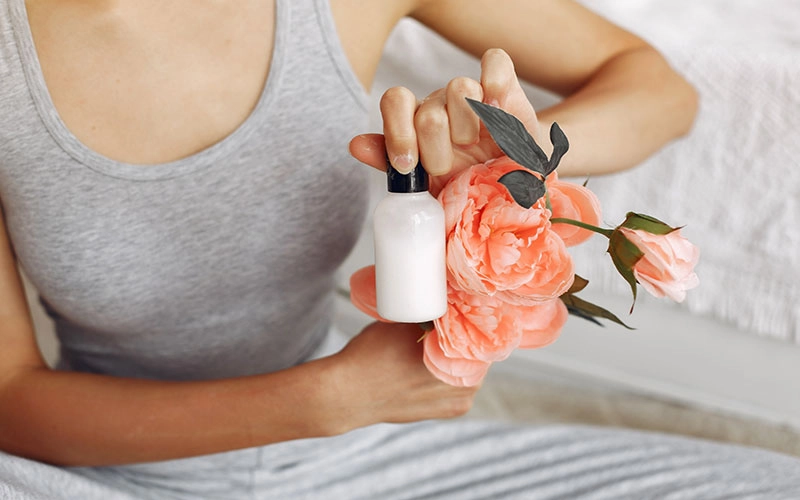
Fragrance is a common ingredient in many skincare products, from moisturizers to cleansers, offering a pleasant scent that can enhance the user experience. However, when it comes to skincare, the question arises: is fragrance truly beneficial, or can it be harmful to our skin? In this article, we explore the potential effects of fragrance in skincare and whether it’s a helpful addition or an ingredient to avoid.
Fragrance in Skincare: A Blessing or a Curse?
Fragrance is a popular ingredient in many skincare products, but it can have both positive and negative effects depending on your skin type and sensitivities. In this section, we explore the different aspects of fragrance in skincare, from its appeal to the potential risks it poses for sensitive skin.
1. The Appeal of Fragrance in Skincare
Fragrance in skincare products can make the application process more enjoyable. A pleasing scent can elevate the skincare ritual, adding a sense of luxury and relaxation. Many people associate fragrant products with cleanliness and freshness, which can contribute to the overall experience of using skincare.
Recommended Products: Medusa Tonics
2. Fragrance as a Potential Irritant
Despite its pleasant qualities, fragrance can cause irritation for certain skin types. Sensitive skin, in particular, is more prone to reactions such as redness, itching, or dryness when exposed to fragranced products. This is because fragrances often contain a mix of chemicals that can disrupt the skin’s natural barrier, leading to inflammation or allergic reactions.
3. The Risk of Allergies and Sensitivity
Fragrances, especially synthetic ones, are one of the top allergens in skincare products. Many fragrances contain compounds that can trigger allergic reactions, ranging from mild skin irritation to more severe reactions like rashes or hives. In some cases, fragrance ingredients can even contribute to the development of conditions like contact dermatitis, which results in red, swollen, and itchy skin.
Recommended Products: Medusa Cleaners
4. Fragrance-Free vs. Unscented: What’s the Difference?
It’s important to distinguish between “fragrance-free” and “unscented” products. Fragrance-free means that no fragrances or masking agents have been added to the product, which is ideal for individuals with sensitive skin. On the other hand, unscented means that the product might still contain ingredients that neutralize the scent, but without adding any fragrance. For those with skin sensitivities, opting for fragrance-free products is generally a safer choice.
5. Fragrance and Skin Health
For individuals with certain skin conditions such as eczema, rosacea, or acne, fragrance can exacerbate symptoms and worsen flare-ups. It can also lead to long-term skin sensitivity, which might make the skin more reactive to other skincare products in the future. While fragrances may offer short-term enjoyment, their potential to damage or irritate sensitive skin over time is a significant concern.
6. Natural vs. Synthetic Fragrance: Which is Safer?
Both natural and synthetic fragrances can cause irritation, but synthetic fragrances often contain more chemicals, which may increase the risk of adverse reactions. Natural essential oils are often considered a more skin-friendly alternative; however, they can also be irritating for some individuals, especially when used in high concentrations. As with any skincare ingredient, it’s essential to patch-test products containing fragrance to check for any potential reactions.
7. Is Fragrance Worth It?
The decision to use fragranced products in your skincare routine depends on your skin type, sensitivities, and personal preferences. While fragrance can offer a pleasant sensory experience, the potential for irritation and allergic reactions is not to be ignored. For those with sensitive or reactive skin, fragrance-free or natural alternatives are often the better choice for maintaining skin health and avoiding irritation.
Recommended Article:
Conclusion
Fragrance in skincare is a double-edged sword. While it can provide a luxurious and enjoyable experience, it also carries the potential for irritation and sensitivity, especially for individuals with delicate or compromised skin. For those with sensitive skin or skin conditions, opting for fragrance-free products or products with natural, gentle fragrances is often the safest choice. Ultimately, the key is to listen to your skin and choose products that cater to your individual needs, ensuring both efficacy and comfort in your skincare routine.
FAQs
1. Can fragrance in skincare cause skin irritation?
Yes, fragrance can be a common irritant, especially for those with sensitive skin. It may lead to redness, itching, or dryness, as fragrances often contain compounds that can disrupt the skin’s natural barrier.
2. What’s the difference between "fragrance-free" and "unscented"?
“Fragrance-free” means no fragrances or masking agents have been added to the product, while “unscented” can still contain neutralizing agents to mask the scent without adding actual fragrance.
3. Is natural fragrance better than synthetic fragrance for the skin?
While natural fragrances from essential oils are often considered gentler, they can still cause irritation in some individuals. Synthetic fragrances, on the other hand, may contain more chemicals, increasing the risk of adverse reactions. It’s essential to patch-test before using any fragranced product.